10 Easy Garden Plant Marker Ideas to Make

Plant markers are one of those small garden details that make a big difference. They help you keep track of seedlings, herbs, flowers, and vegetables, but they can also add charm, texture, and personality to your outdoor space. Whether you have a large backyard, a tiny patio garden, or just a few pots on a balcony, homemade markers are an easy project that feels both practical and decorative.
This post is for home gardeners, renters, beginners, and anyone who wants simple upgrades without spending much. These ideas are easy to make, budget-friendly, and full of character, so your garden can feel more organized, welcoming, and personal at the same time.
Quick List
- Painted River Stone Plant Markers
- Wooden Spoon Herb Labels
- Clothespin Marker Stakes
- Wine Cork Plant Labels
- Mini Chalkboard Garden Signs
- Stamped Clay Tag Markers
- Mason Jar Lid Label Stakes
- Paint Stick Plant Labels
- Tin Can Strip Markers
- Twig And Tag Rustic Markers
Painted River Stone Plant Markers

Painted river stones are a simple way to create plant markers that feel neat, natural, and decorative. Smooth stones are easy to write on, and they look especially lovely tucked beside herbs, flowers, or vegetable seedlings. You can paint the tops in soft whites, muted greens, or earthy terracotta shades, then add the plant names with a paint pen or permanent marker. They sit low to the soil, so they blend into the garden instead of sticking out too much.
- Best For: Herb beds, flower borders, and container gardens where you want a subtle, natural look.
- Budget Tip: Collect smooth stones from your yard or buy a small bag of craft stones instead of specialty markers.
- Styling Idea: Use soft neutral paint colors for a cottage or rustic garden feel.
- Care & Maintenance: Seal the stones with an outdoor-safe clear coat so the names last longer in rain and sun.
Wooden Spoon Herb Labels

Wooden spoons make charming plant markers, especially for kitchen herbs and potted edibles. The long handle works as a ready-made stake, and the bowl of the spoon gives you enough room to write a plant name clearly. They look warm and homemade, especially in terracotta pots or raised herb boxes. A little sanding and a coat of outdoor paint can make them even more polished while still keeping that easy DIY feel.
- Best For: Herb planters, patio pots, and small vegetable containers near the kitchen.
- Budget Tip: Use thrifted wooden spoons or inexpensive unfinished craft spoons to keep costs low.
- Styling Idea: Leave the wood natural for a farmhouse look, or paint them white for a cleaner modern style.
- Practical Note: Choose permanent ink or wood-safe paint so labels stay readable after watering.
Clothespin Marker Stakes

This idea is quick, clever, and especially useful when you want something lightweight and easy to change. Clip a labeled clothespin onto a thin wooden stake, twig, or bamboo skewer, then place it near seedlings or rows of seeds. It is perfect for gardeners who like to swap labels as the seasons change. The clipped design also adds a playful handmade touch that works well in casual vegetable patches and starter beds.
- Best For: Seed trays, raised beds, and beginner vegetable gardens.
- Budget Tip: Buy plain clothespins in bulk and reuse leftover skewers or bamboo sticks from home.
- Styling Idea: Paint the clothespins in soft pastels for a cheerful spring garden look.
- Practical Note: Keep the labels high enough above the soil so they stay visible as plants grow in.
- Extra Idea: Color-code different plant groups, such as herbs, flowers, and vegetables.
Wine Cork Plant Labels

Wine cork markers are a favorite because they are easy to assemble and naturally weather-friendly for light garden use. Just write the plant name on the cork and push it onto a skewer or thin stick. The finished marker looks relaxed and rustic, especially in herb pots or small raised beds. Cork adds soft texture and a warm natural tone, which pairs nicely with wood planters, terracotta, and leafy green plants.
- Best For: Small herb gardens, raised planters, and upcycled garden projects.
- Budget Tip: Save corks over time or ask friends to collect them instead of buying new materials.
- Styling Idea: Pair cork markers with terracotta pots and wooden crates for a cozy rustic mood.
- Care & Maintenance: Replace any corks that start cracking after long exposure to heavy weather.
Mini Chalkboard Garden Signs

Mini chalkboard signs bring a little market-style charm to the garden while keeping everything organized. They are especially useful if you like changing plant names or rotating seasonal crops. You can buy small chalkboard tags or make your own with painted wood pieces. Their dark surface stands out beautifully against bright green leaves, making the labels easy to spot. They also bring a decorative contrast that works in both neat kitchen gardens and cottage-style spaces.
- Best For: Raised beds, mixed herb gardens, and decorative vegetable patches.
- Budget Tip: Make your own with scrap wood and chalkboard paint instead of buying ready-made signs.
- Styling Idea: This idea suits rustic, farmhouse, and modern black-and-natural-wood garden styles.
- Practical Note: Use a chalk marker instead of regular chalk if you want clearer writing that lasts longer outdoors.
Stamped Clay Tag Markers

Clay tags feel a little more handcrafted and artistic, but they are still very doable for beginners. Roll out air-dry or oven-bake clay, cut out simple tag shapes, and stamp or carve in the plant names before drying. Once finished, they can be tied to pots or attached to short stakes. The earthy texture of clay looks beautiful in garden spaces, especially when paired with terracotta, gravel, and soft green foliage.
- Best For: Decorative pots, gift plants, and gardeners who like handmade details.
- Budget Tip: A small pack of clay can make many markers, so this option is affordable for larger groups of pots.
- Styling Idea: Keep the clay natural for an organic look, or add a soft whitewash finish for a lighter style.
- Care & Maintenance: Seal dried clay if it will stay outdoors often, especially in rainy conditions.
- Extra Idea: Add small leaf or flower impressions for extra texture and charm.
Mason Jar Lid Label Stakes

Old mason jar lids can be turned into eye-catching garden markers with a little creativity. The round shape gives you more room for plant names, and the metal adds a nice vintage touch among soil and greenery. You can attach each lid to a wooden stake or metal rod and place it near rows of vegetables or larger herbs. These markers stand out well, making them helpful in fuller garden beds where smaller labels might disappear.
- Best For: Vegetable gardens, larger planters, and gardens with fuller leafy growth.
- Budget Tip: Reuse spare lids from the kitchen instead of buying brand-new marker supplies.
- Styling Idea: This works especially well in vintage, farmhouse, or slightly industrial outdoor spaces.
- Practical Note: Sand any rough metal edges before using them in the garden.
Paint Stick Plant Labels

Paint sticks are one of the easiest and most affordable materials for homemade plant markers. Their flat surface is perfect for writing names clearly, and they are sturdy enough to push into most potting mixes or garden soil. You can leave them plain for a simple look or paint them to match your pots and planters. They are useful in almost any type of garden and especially good for gardeners who want fast, no-fuss labels.
- Best For: Seedlings, vegetable beds, balcony pots, and beginner-friendly projects.
- Budget Tip: Free or inexpensive paint sticks are often easy to find, making this one of the cheapest ideas here.
- Styling Idea: Use simple black lettering on white-painted sticks for a clean classic look.
- Care & Maintenance: Add a clear protective coat if the markers will stay out through frequent watering or rain.
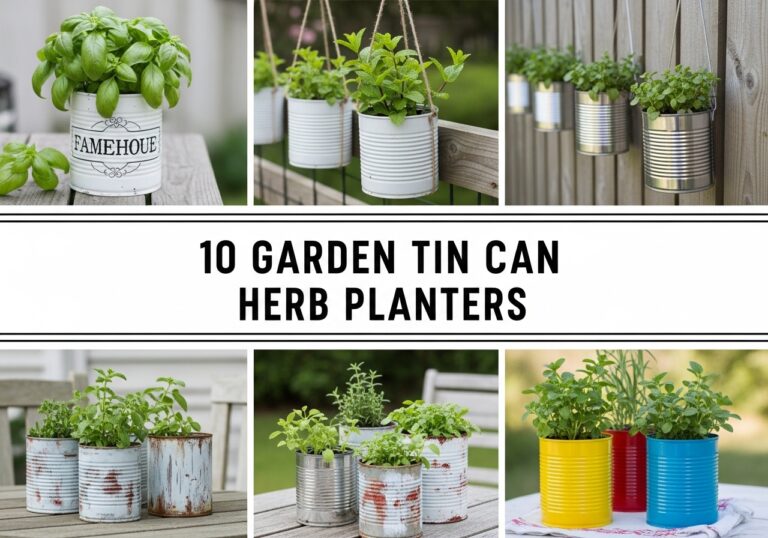
Tin Can Strip Markers

Tin can strip markers are a smart recycled option if you want something durable and a little different. Thin strips cut from clean cans can be shaped into labels and marked with plant names using embossing or permanent ink. They have a slightly weathered, practical look that suits vegetable beds and rustic raised planters. Their metal finish catches the light nicely, adding a bit of contrast among the greens, wood, and soil.
- Best For: Outdoor beds, sturdy long-term markers, and recycled garden projects.
- Budget Tip: Reuse cleaned food cans you already have at home for a nearly free DIY option.
- Styling Idea: These work well in rustic, industrial, or utility-focused garden spaces.
- Practical Note: Smooth or fold sharp edges carefully so the markers are safe to handle.
- Care & Maintenance: Check them now and then for rust if they stay outdoors in very wet weather.
Twig And Tag Rustic Markers

Twig markers have a relaxed, natural look that feels right at home in cottage gardens and informal beds. All you need are sturdy twigs and small tags made from paper, wood, or scrap material. Tie the tags on with twine, then label each plant in a simple, readable style. The bark texture and soft garden materials create a lovely earthy feel, and the finished markers look especially pretty among wildflowers, herbs, and layered greenery.
- Best For: Cottage gardens, natural planting styles, and gardeners who like a softer rustic look.
- Budget Tip: Gather fallen twigs from the yard and use leftover craft paper or scrap wood for the tags.
- Styling Idea: Pair with jute twine, terracotta, and soft flowering plants for a cozy handmade mood.
- Practical Note: Use thicker twigs for taller plants so the markers stay visible and steady.
Conclusion
Homemade plant markers are a small project, but they can make your garden feel far more organized, charming, and personal. Whether you love a rustic, modern, or cottage-style look, there is an easy idea here that can fit your space and budget. Start with one or two simple marker styles, then build from there as your garden grows and changes through the seasons.
FAQs
What is the cheapest way to make garden plant markers?
Some of the cheapest options are paint sticks, collected stones, saved wine corks, and fallen twigs. These materials are often already around the house or yard, so you only need a pen, paint, or a little twine to finish them.
Which plant marker ideas are best for renters?
Non-permanent ideas like painted stones, wooden spoons, chalkboard signs, and cork markers are great for renters. They can be moved easily from pot to pot, and they do not require any permanent changes to the space.
What kind of plant markers hold up best outdoors?
Markers made from sealed stone, coated wood, metal, or properly sealed clay usually last longer outside. It also helps to use weather-resistant pens, outdoor paint, or a clear protective finish to keep names from fading.
Are homemade plant markers good for very small gardens or balconies?
Yes, they are especially useful in small spaces because they help keep pots and planters organized without taking up much room. Smaller options like corks, clay tags, and paint sticks work very well on balconies and windowsill gardens.
How do I mix plant markers with decor without making the garden look cluttered?
Choose one or two materials and repeat them throughout the space so everything looks more coordinated. Keeping to a simple color palette, such as natural wood, white, black, or earthy tones, also helps the markers feel decorative rather than messy.
What is the easiest plant marker idea for beginners?
Paint sticks and wooden spoons are usually the easiest place to start. They need very few tools, are simple to label, and can be finished quickly even if you are making several markers at once.